

Contact Us
Let’s Partner for Your Next Big Presentation
Consult with our Business Advisor
.webp)
Thank you! Your submission has been received!
Oops! Something went wrong while submitting the form.


A strong pitch deck isn’t about more slides; it’s about clarity, structure, and persuasion. In this blog post, you will learn how to direct the thinking process of investors, emphasize traction, and minimize risks. Through critical events, storytelling, and stage-specific tactics, you will be able to lead the discussion.
Peter Thiel has a line that still irritates founders in exactly the right way:
A little. Useful? Very.
Because investor decks have a habit. The moment the story gets weak, people add slides.
And when the meeting is over, the investor will say, “Interesting,” and walk out, hoping the deck did its work.
It hasn't.
A successful investor pitch deck presentation doesn't share all the information it has; instead, it presents the right information in the right sequence. Failure to do so means losing the ability to control the conversation, which leaves an investor free to dictate the conditions of the deal and its risks. You cannot influence the terms of a deal during the term-sheet phase; you can only make sure that the story is interpreted right from the start.
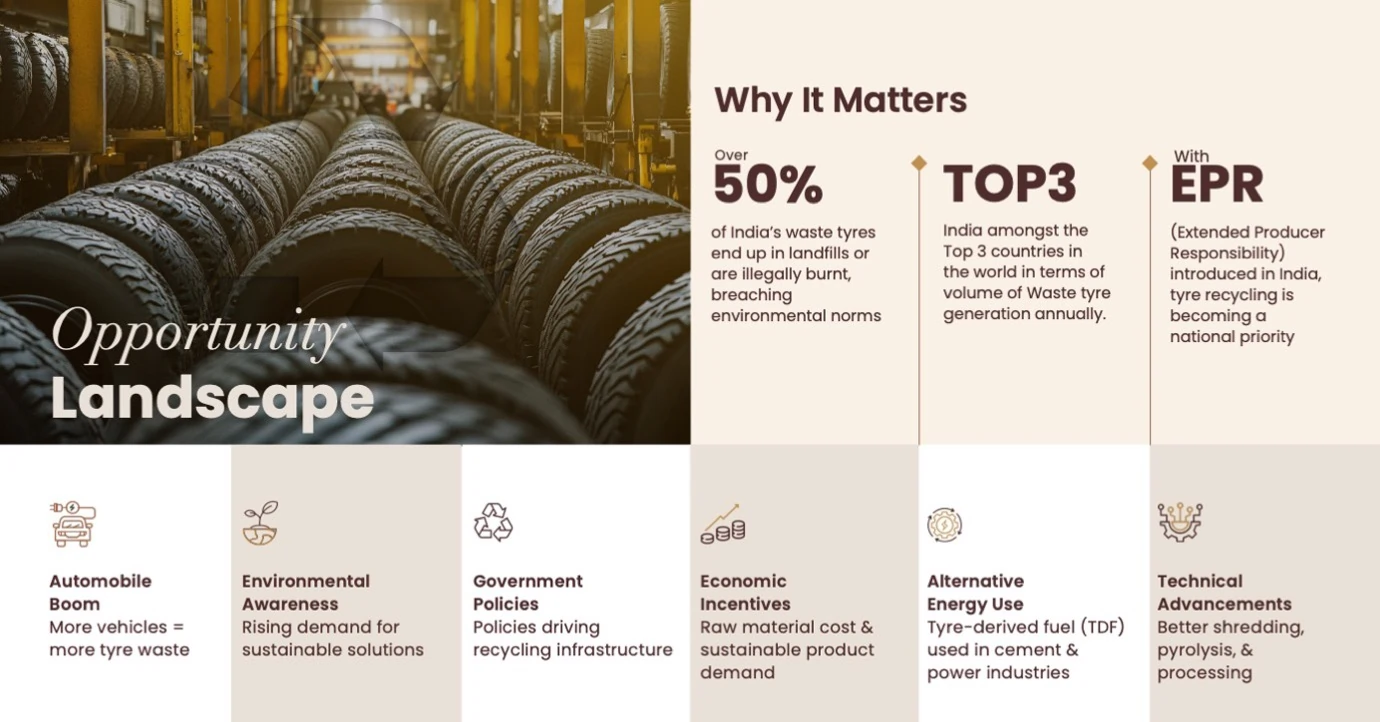
Many pitches have a similar structure: Title, Problem, Product, Market. But just having the elements doesn’t mean the deck is good.
Investors don’t review pitches to see whether you’ve done well so far. On the contrary, they want to know quickly what this is about, why it matters, and what’s new here. In our work on presentations for INK PPT, we try to shift the focus of the founders from “What more can we put into it?” to “What more can investors understand from it?” The way we break down unconvincing PPTs is to use an investor-facing jobs framework. It has one simple principle: every slide must have a purpose.
Once the job is defined for each slide, it's time to move the investor to the next level. A deck can't be just a compilation of facts; it has to close the deal. If it feels like a report, we need to change it into a deal-closer.
A pitch deck is a story told through visuals to get someone to say yes. Although made up of 10 to 20 slides, saying that the pitch deck is "just a presentation" is akin to describing a court argument as just talking.
At the core of any high-stakes deal, a good pitch deck is a tool for negotiation. It serves to create a bridge between what you know technically about your product and what the other side knows professionally regarding their safety.
To persuade people into making an agreement, your pitch deck has to be more than informative; it needs to be strategic. At INK PPT, our pitch decks have to perform three things at once:
An ineffective deck leaves a lot on the table, forcing you to explain yourself. The best pitch decks advance the discussion by answering difficult questions. Otherwise, buyers will simply take no action because it's safer that way.
While most founders think a pitch is about transferring knowledge, it's really about overcoming three powerful mental filters. Failure to overcome the first one means your pitch is dead even before you get to the Product page.
Investors are expert category identifiers. The very first thing they try to do is figure out which existing category you belong to.
They are basically asking: what is this most like?
If it reminds them of a failure, you start at a disadvantage. Reminding them of success means higher expectations and lots of questions regarding competition. And that's why it's important to define the category early, before they define it for you.
Investors are definitely not interested in reasons why it's a good idea; they are looking for the first reason to say "no." Their minds go through an obvious survival checklist:
Most often, a pitch fails because there are right answers to all those questions, but they appear too late to help you.
Investors have a limited attention span. In the first two minutes, they make a decision: whether they want to pay attention to the startup or send their mind somewhere else. This is when your introduction should make the pitch a Tier 1 deal.
Your tagline isn’t a slogan; it's a way for the investor to describe your product to his partners. Don't waste the cover slide on vague fluff.
Test: Speak it out loud to any stranger you meet on the street. If they can't picture your business, start again from scratch.
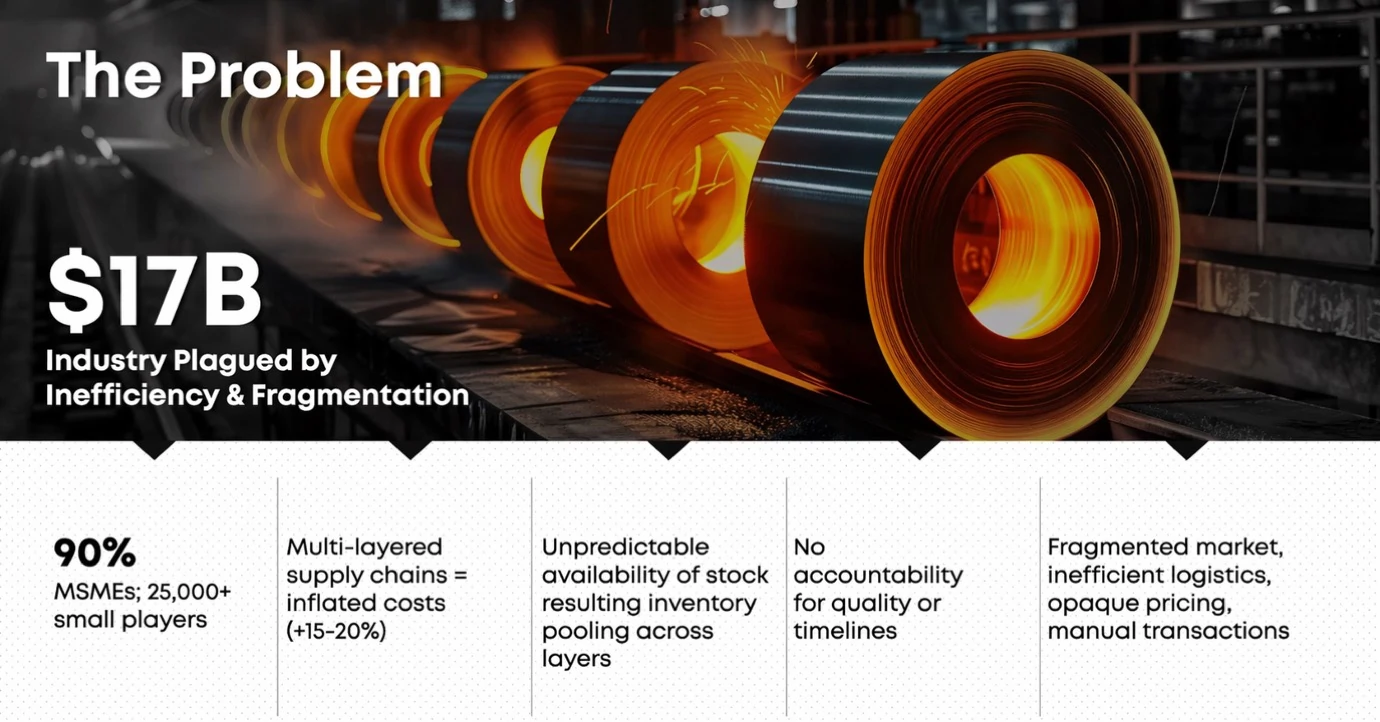
In most cases, founders try to pack the problem slide full of data and irrelevant information, and use the phrase "pain point" every second. This slide is not about describing the problem but about showing it to the investors so they can feel its existence. At INK PPT, we take advantage of the "Dissect" stage of our methodology and demonstrate the pain point, rather than describing it.
Market problems only work if people see them. Present the problem first, make them understand the friction before you talk about anything else.
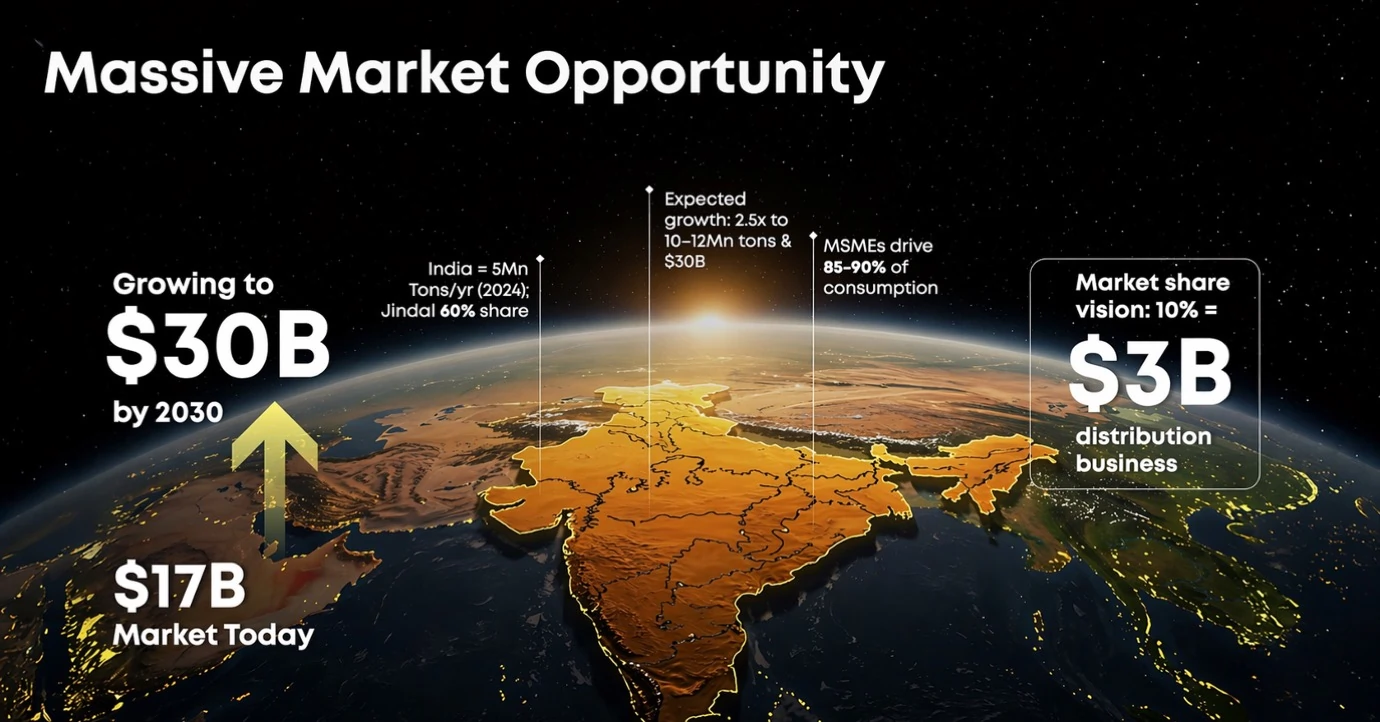
By now, every venture capitalist has seen your TAM, SAM, and SOM many thousands of times. Remember that slide with three interrelated circles, with one of them having an incomprehensible number like $1T or even more. It doesn't prove anything except for the skills in handling compasses.
The Fix: The Bottom-Up Approach. Instead of trying to capture "a slice of the generic pie," explain how it is made by multiplying the average price per customer by the total number of potential customers.
These two tasks should be kept separate, yet most presentations are lacking on both fronts.
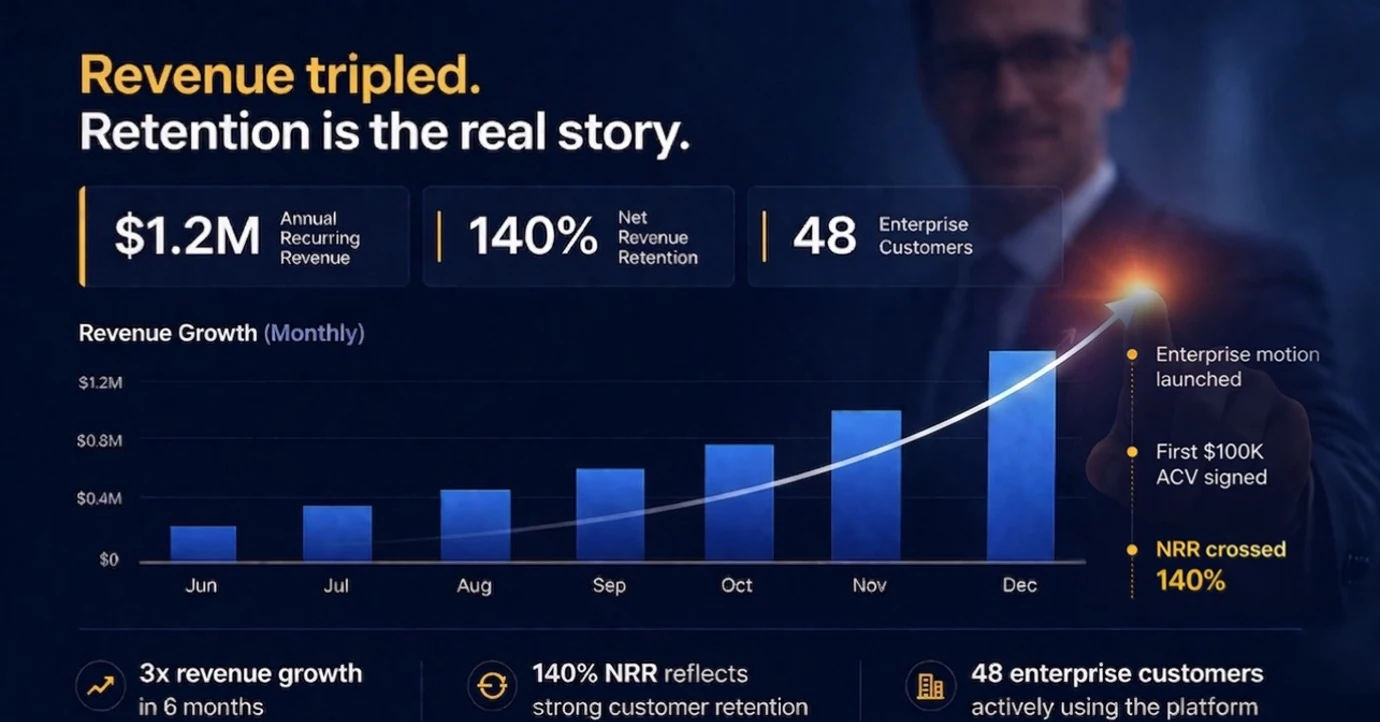
If your seed deck asks for ₹10 crore ARR, then I'm afraid your numbers are not good enough. Trajectory and Intellectual Honesty matter more than ARR.
Most founders keep the team slide as the last slide in their pitch deck. This is a big mistake, especially when raising money through the Pre-Seed and Seed stages. Investors don’t care about the idea as much as they care about you. Putting this slide last makes it feel insignificant, when it should be the star of your deck.
Stop Telling Your Credentials & Start Giving Reasoning
An investor doesn’t need a LinkedIn resume. They need to know why you guys are the only ones who will succeed in this particular market.
What to Include:
The Purpose: Make your team slide early in your deck. Prove why you guys are the right team before you tell them your solution is right.
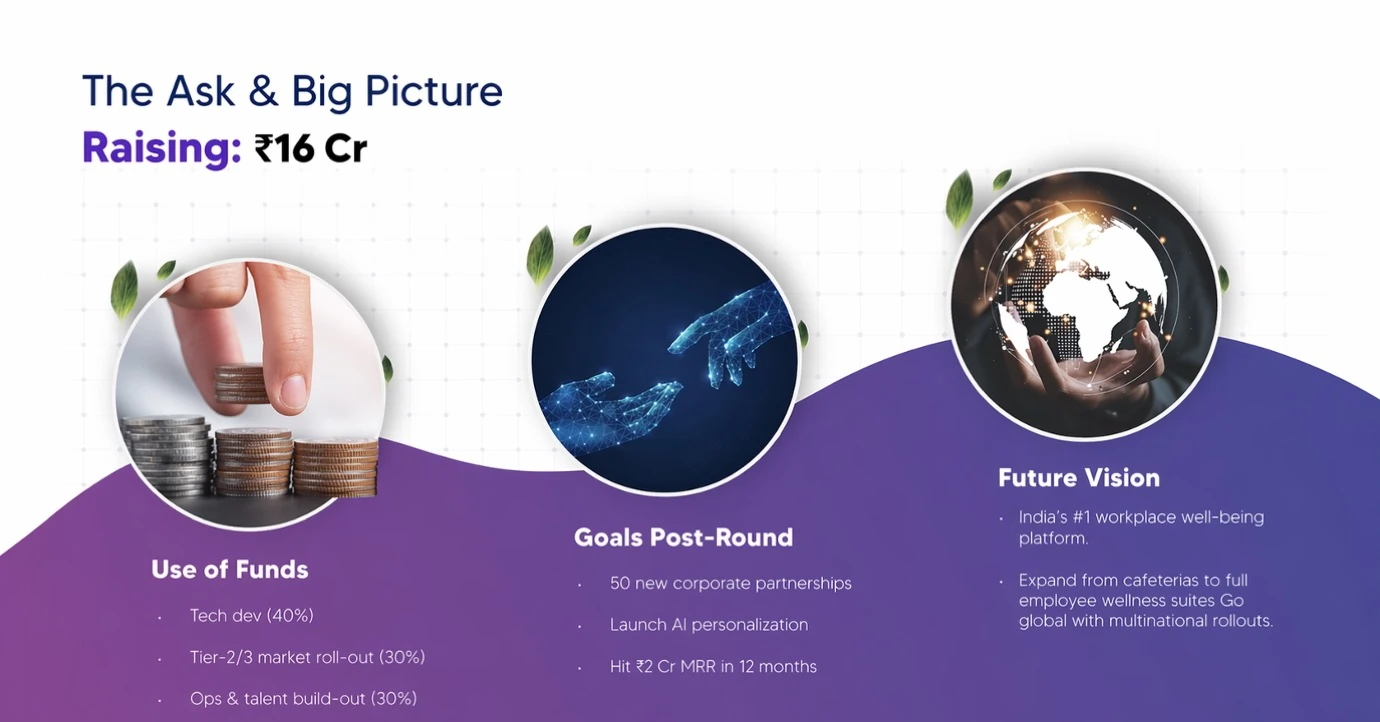
We've seen too many pitches wrap up with an awkward "Thank You" slide. That's a wasted chance. The Ask is when you stop being a storyteller and become a deal-maker. To get what you want on your terms, ask for a milestone rather than just throwing out a number.
At INK PPT, we assist our clients in framing their "ask" as a milestone. By doing so, your ask isn't just funding, it's the chance to get in early on the growth of your company. It's through such a method we help you stay in charge of valuation.
The final way to close a deal is by creating FOMO (Fear of Missing Out). We create leverage by showing that your business is moving forward with or without them. As high-stakes meetings tend to arise at random times, we offer our 24-hour deck presentation services, guaranteeing that everything you present in such meetings is perfectly timed and tailored to maximize effectiveness.
This kind of framing gives them an idea of an invitation into your journey and no longer are you trying to squeeze yourself into theirs.
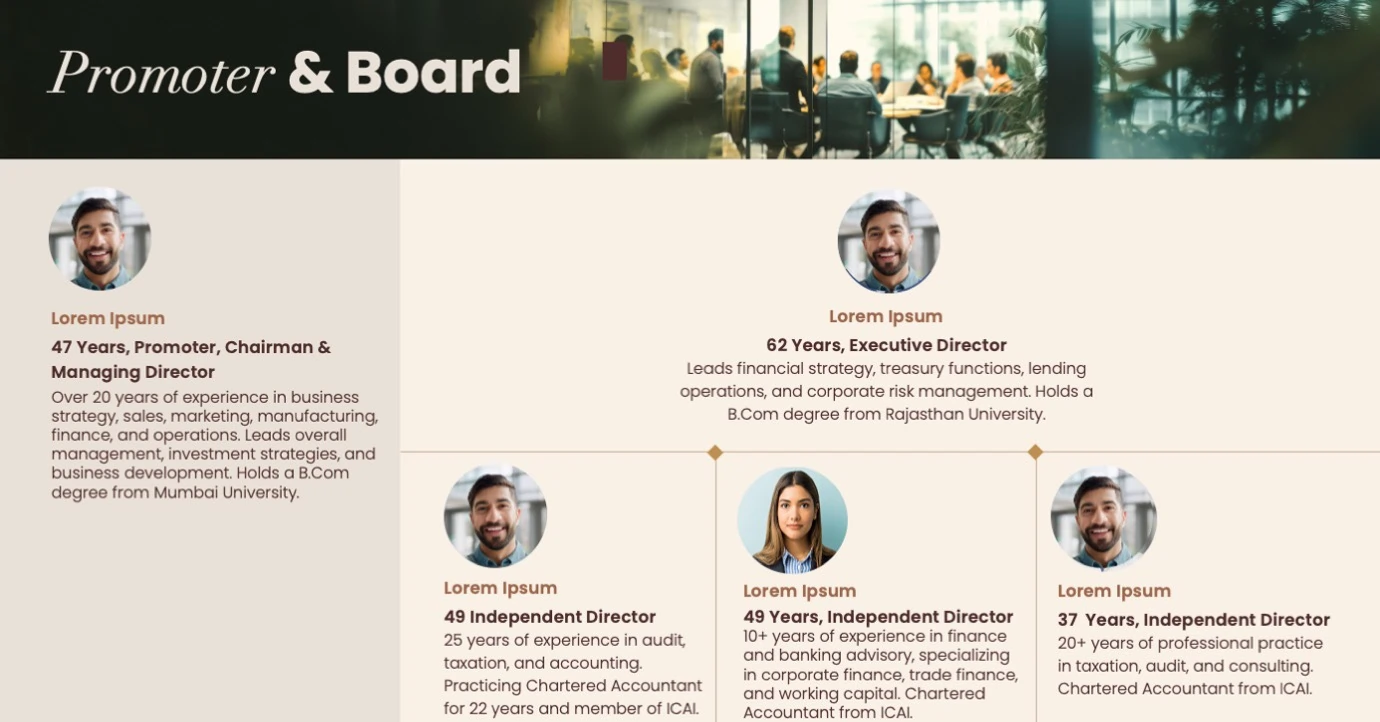
Your key slides remain the same, but the emphasis changes depending on where you are in the process. INK PPT has seen that the narrative told during your first pitch will be dramatically different than when you reach scale.
No matter the stage, one rule stays constant: your deck is not about what you want to say, it is about what the investor needs to believe at that point in the journey.
Founders assume that a pitch deck should be merely a visual tool designed for presenting on the stage. But in fact, this asset must be divided into two different types. What we see the most frequently among mistakes made by startups is the use of the "live" pitch deck in a follow-up email message, where your narration becomes the key element in delivering your data to the investor.
To move the process forward, we always make sure our clients have the following two separate deliverables at hand:
Why is it important? If the partner of the fund is not able to figure out your business from the PDF you sent via email, you've lost your deal forever. INK PPT helps you to convince your investor both in person and later.
In the end, investors not only invest in companies, but they also invest in stories they think can be scaled. If your deck is simply a mess of information, you are making them do the legwork for you. They probably won't.
Winning a deal on your terms is all about claiming psychological territory around the table. Instead of merely documenting your story and inviting people to come along for the ride, you become someone who offers a proposition worth taking seriously.
Over at INK PPT, we believe every single slide is strategically important. Using Dual Coding Theory to minimize cognitive overload, as well as a Bottom-Up Market Model to show genuine understanding, it all amounts to the same thing: a definite "aha!" moment. Pitching is an iterative process. Your deck should be improved after every discussion.
Co-founder of INKPPT, I specialize in transforming complex ideas into refined, visually striking presentations. With a deep belief in the power of storytelling and design, I help brands communicate with clarity, purpose, and impact. Every slide is crafted to inform, inspire, and leave a lasting impression.

About the Author




Consult with our Business Advisor


